
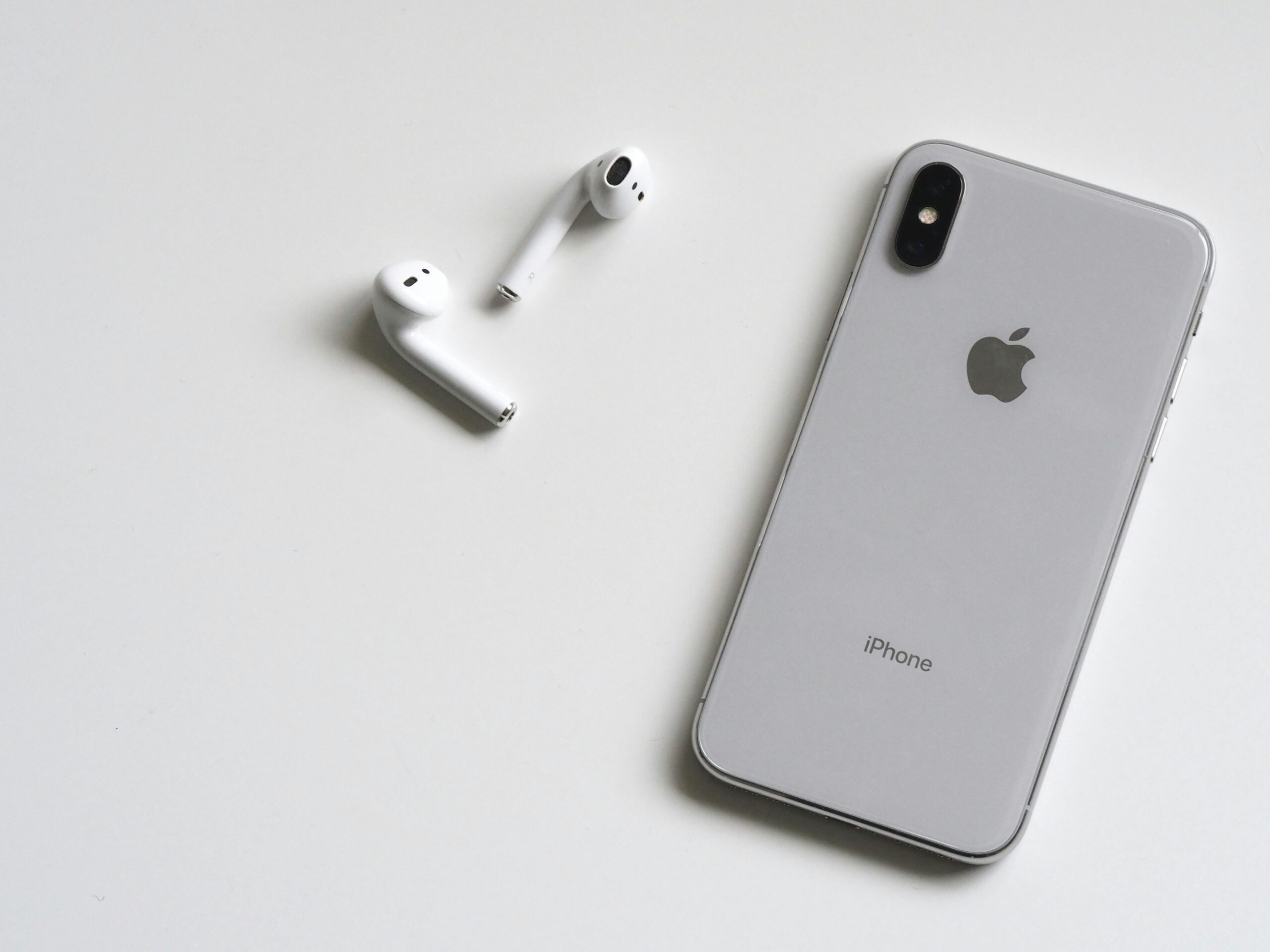
The Beginning in a Garage (Not So Fancy)
Uhm.. okay, let’s start where it really started — April 1976. Forget big offices and billion-dollar valuations. Apple was born in a garage in Los Altos, California, where three men – Steve Jobs, Steve Wozniak, and Ronald Wayne – decided to build something insane for that era: the Apple I computer.
Jobs sold his Volkswagen van, Wozniak sold his calculator (a HP-65, back when that was a “thing”), and Wayne… well, he sold his 10% share for $800 (today worth more than $200 billion). Raw fact: sometimes fear makes you miss history.
The Apple I was just a circuit board, sold for $666.66. No fancy design, no colorful logo. But it kicked off what would become one of the biggest revolutions in tech history.
Apple II and the First Taste of Success
In 1977, they dropped the Apple II. And oh man, this one was different — it had color graphics and was actually user-friendly. It wasn’t just for geeks, it was for everyday homes and schools. By the early 1980s, Apple was already a household name in the U.S.
Sales exploded. Kids learned BASIC programming on Apple computers, schools bought them in bulk, and suddenly Apple wasn’t just another Silicon Valley experiment. It was a company people believed in.
The Macintosh and the Big Dream
Then came 1984. Super Bowl commercial. Ridley Scott directing. Apple aired its “1984” ad — showing the Macintosh as the machine that would “free” people from Big Brother (aka IBM, the then-dominant PC giant).
The Macintosh launched with a graphical user interface, something radical at that time. You didn’t have to type code. You used a mouse, icons, windows. It felt like magic.
But here’s the thing… it was too expensive and not powerful enough for businesses. The dream was big, but reality hit hard.
Steve Jobs Gets Fired (Yeah, Ousted from His Own Company)
Oh.. the drama. In 1985, after internal fights and declining sales, Steve Jobs was literally pushed out of Apple. Imagine — the guy who co-founded the company, thrown out of the door.
Jobs left, started NeXT Computer, and also bought Pixar (which later made Toy Story and changed Hollywood forever). Meanwhile, Apple… slowly started sinking.
The 1990s were rough. Microsoft’s Windows was everywhere. Apple’s products looked cool but didn’t sell. They even tried weird stuff — Newton PDA, Macintosh clones, but nothing worked. By 1997, Apple was 90 days from bankruptcy.
Jobs Returns: The Real Comeback
Then came the plot twist. Apple bought NeXT in 1997, which brought Jobs back. He wasn’t just back as a founder — he became CEO again. And this time, he came with fire.
Jobs killed useless projects, cut down the product line, and launched the colorful iMac in 1998. It looked like candy, had internet built-in, and sold like crazy. That was the first spark of Apple’s comeback.
Then came the iPod in 2001. “1,000 songs in your pocket.” It changed music forever. And the iTunes Store followed, completely transforming the music industry.
The iPhone Moment (2007) – When Everything Changed
January 9, 2007 — San Francisco. Steve Jobs walked on stage and said:
“Today, Apple is going to reinvent the phone.”
People thought he was bluffing. But what he showed — the iPhone — changed technology, culture, and even human behavior forever.
No buttons. Just a screen. Multi-touch. Apps. Internet. Camera. All in one device.
The iPhone wasn’t just a product, it was a cultural revolution. From 2007 to now, Apple has sold over 2.3 billion iPhones globally. And yes, that’s the product that made Apple the richest company in the world.
iPad, MacBook, and the Ecosystem Power
Apple didn’t stop there:
iPad in 2010: people laughed, called it a “big iPhone.” Today, it dominates the tablet market.
MacBook: sleek, powerful, and loved by creators. Apple later switched to its own M1/M2 chips, crushing Intel and reshaping the PC market.
Apple Watch, AirPods, Apple TV, Apple Music, iCloud — not just products, but an ecosystem where everything connects.
This is Apple’s secret weapon. Once you buy one product, you slowly get locked into all of them because they work too well together.
Steve Jobs’ Death and Tim Cook’s Era
2011, a sad year. Steve Jobs passed away from pancreatic cancer. The world lost one of its boldest visionaries.
People doubted Apple after Jobs. Could they innovate without him? Would they collapse?
Enter Tim Cook, Jobs’ chosen successor. Cook wasn’t a “vision guy” like Jobs. He was a supply chain genius. He made Apple insanely efficient, scaling products worldwide, squeezing costs, and making profits skyrocket.
Under Cook, Apple launched:
Apple Watch (2015) – now the best-selling watch in the world.
AirPods (2016) – people mocked them at first, now they’re everywhere.
Apple Silicon (2020) – the M1 chip shocked the world by outperforming Intel and AMD in laptops.
And the numbers? Insane. In 2018, Apple became the first trillion-dollar company. In 2022, it briefly touched $3 trillion valuation, making it the most valuable company on Earth.
Apple’s Philosophy: Why They Beat Everyone
Let’s spit facts: Why is Apple beating Samsung, Dell, Google, and everyone else?
Design Obsession – From the iMac to iPhone, Apple never made boring products. Even the box feels premium.
Ecosystem Lock-in – iPhone talks to MacBook, AirPods connect instantly, iCloud backs it up. Once inside, it’s hard to leave.
Marketing Mastery – Apple doesn’t sell gadgets. They sell lifestyle. “Think Different” wasn’t just a slogan, it was identity.
Tim Cook’s Supply Chain – Apple can build millions of devices and ship them worldwide with insane efficiency.
Loyal Customer Base – People don’t just use Apple. They love Apple.
The Latest Chapter: iPhone 17 Pro Max
And now, here we are in 2025. The hype? Real. Apple just dropped the iPhone 17 Pro Max, and it’s already trending everywhere.
So what’s new? Let’s cut the noise:
A19 Pro chip – faster, more efficient.
Biggest battery ever on an iPhone – yes, finally more lasting power.
New heat management system – solves overheating issues that plagued earlier models.
Full-width camera bar – a bold design change.
Pro Max cameras – 48MP triple rear, 18MP front, insane low-light photography.
Price in India – starting around ₹1,64,900 (not cheap, but that’s Apple).
Pre-orders open September 12, deliveries start September 19. People are already lining up, memes are flying, but guess what — they’ll sell out. They always do.
Final Thoughts
From a dusty garage to the shiny iPhone 17 Pro Max, Apple’s journey is nothing short of legendary. Steve Jobs gave it vision, Tim Cook gave it stability, and together they built a company that’s not just selling phones, but shaping culture and society.
Oh.. sure, Apple has critics — expensive products, walled gardens, repair issues. But here’s the undeniable truth: no other company in history has blended technology, design, and human psychology this perfectly.
Apple isn’t just in the product race. They’re running it, setting the pace, and everyone else is trying to catch up.
So yeah, the iPhone 17 Pro Max isn’t just a phone. It’s another chapter in the story of the most valuable company on Earth.
“The people who are crazy enough to think they can change the world are the ones who do.” – Steve Jobs