
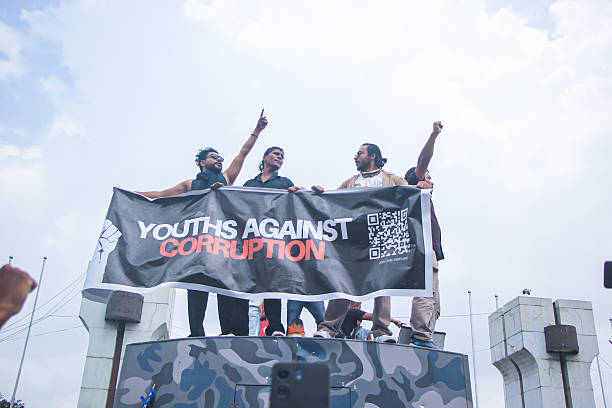
Nepal, a country known for its serene mountains and spiritual calm, is now shaken by violent unrest. What began as anger over a government decision to ban 26 social media platforms has exploded into one of the fiercest protests in the nation’s history. The Nepal riots 2025 have left at least 19 people dead and hundreds injured, but at the heart of the chaos lies something deeper—a demand for freedom, transparency, and political reform.
Why Did the Protests Begin?
The government announced a ban on Facebook, YouTube, X, and other platforms unless they registered locally. Officials argued this was to curb misinformation, fake accounts, and online hate. But for Nepal’s youth—especially Gen Z, who live, work, and connect through these platforms—it felt like an attempt to silence dissent.
This move lit the spark. Within hours, Kathmandu and other cities saw students, activists, and young professionals flood the streets.
From Protest to Riots
What started peacefully escalated into violent clashes. Protesters broke barricades, marched toward Parliament, and vandalized government offices. Police responded with tear gas, rubber bullets, and even live fire. By the end of the week, the Nepal protests turned deadly. The army was deployed, curfews imposed, and chaos spread across major cities.
The Deeper Crisis: Not Just About Social Media
The social media ban was only the trigger. Years of corruption, political nepotism, and lack of opportunities had already frustrated young Nepalis.
- Gen Z’s anger: Tired of leaders who live in luxury while ordinary citizens struggle.
- Corruption scandals: Ongoing allegations of misuse of funds and lack of accountability.
- Freedom of speech: The ban felt like a direct attack on the right to be heard.
This isn’t just about apps. It’s about dignity, opportunity, and the future of Nepal’s democracy.
What Has Changed So Far?
Facing massive pressure, the government reversed its decision and lifted the social media ban. Home Minister Ramesh Lekhak resigned, accepting responsibility for the crackdown. But the damage has been done. Public trust in leadership is at an all-time low, and the Nepal political crisis is far from over.
The Road Ahead
The Gen Z movement in Nepal has proven that youth are no longer silent observers. They are shaping the political narrative with their voices, their anger, and their courage. Whether this translates into lasting reforms or just another short-term fix remains to be seen.
One thing is certain: Nepal will never be the same again.
👉 Final Thought: The Nepal riots are a reminder to governments everywhere—silencing voices doesn’t kill dissent, it multiplies it. For Nepal, this may be the beginning of a generational demand for real change.