
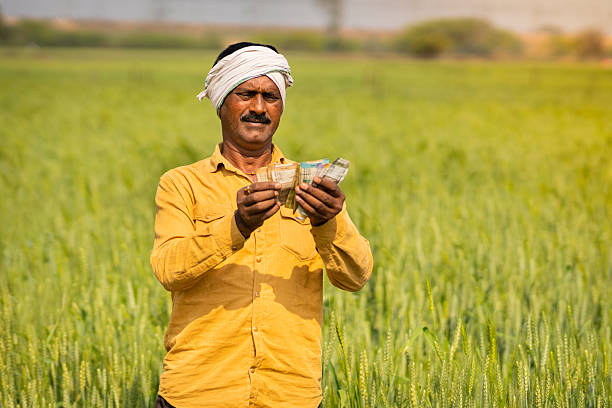
Okay, let’s keep it simple. Running a business in India is not some fancy motivational Instagram reel. It’s messy. One day you’re excited about new customers, next day you’re banging your head because the supplier wants advance and your clients haven’t paid yet. Money is the oxygen for business, and when it chokes, you feel helpless. This is where business loans in India come into the picture.
A business loan is basically the bank or NBFC saying – “take money now, give it back later in small parts (EMIs), and yes, we will charge you for it.” That’s the deal. But in real life, it’s not that easy, there are documents, checks, hidden fees, and the big one—eligibility.
Types of Business Loans
- Term Loan – You get a fixed chunk of money, use it, and pay it back monthly. Simple but strict.
- Working Capital Loan – Best when you are stuck in cash flow issues, like when your clients delay payment for 3 months but you need to pay salaries tomorrow.
- Equipment Loan – Suppose you run a printing shop and need a new high-speed machine. This loan is just for that.
- Invoice Financing – Ever had that moment when your client says, “payment 90 days later”? This loan lets you get cash in advance against those bills.
- Overdraft/Business Credit Card – Flexible. Use when needed, pay interest only on used money.
- Government Schemes (Mudra, Stand-Up India, Startup India) – For small businesses and entrepreneurs who usually get rejected by big banks.
Who Gets a Business Loan and Who Doesn’t
Banks are like typical relatives at a wedding—smiling but always judging. They check:
- Is your business running for at least 1–3 years?
- Do you make decent turnover (say ₹10 lakh+ annually)?
- Is your credit score above 650? (if not, God bless you, try Mudra loans first).
- Are your papers clean? (ITR, GST, bank statements, balance sheet).
If you are just starting out today with zero history, getting a bank loan is tough. For new businesses, government schemes or NBFCs are better options.
Interest Rates – The Real Bite
Forget the ads that say “Business loans starting at 9%.” In reality, most people end up paying somewhere between 12%–20% per year, depending on their profile. NBFCs approve faster but charge more. And don’t ignore hidden costs—processing fee, pre-closure charges, GST, insurance—they all add up.
Which Banks & Lenders are People Actually Using?
- SBI – Solid, but paperwork heavy.
- HDFC / ICICI – Faster, but slightly higher charges.
- Axis Bank – Good for SMEs, flexible repayment.
- NBFCs like Bajaj Finserv, Tata Capital – Quick approvals, but expensive.
- Government Schemes (Mudra, CGTMSE) – Lifeline for small shops, traders, self-employed.
Why Even Take a Business Loan?
Because in business, timing matters more than ideas.
- Opening a new branch when customers are asking for it.
- Buying raw material in bulk when rates are low.
- Upgrading your shop with better machines or tech.
- Covering operational costs when cash is stuck.
- Spending on marketing so people actually know your brand.
Without money, even the best business plan just stays in your diary.
Mistakes People Make (I’ve Seen This First-Hand)
- Taking more loan than needed because “arre, paisa to paisa hai.” Then crying later when EMIs become impossible.
- Not comparing lenders. Even 1% extra interest can cost you lakhs over 5 years.
- Ignoring hidden charges. That “processing fee” can eat your profit.
- Forgetting repayment planning. A loan is not free money; it’s a commitment.
FAQs
Q: Can I get a business loan without collateral?
Yes, but only up to a limit (₹50 lakh–₹2 crore depending on profile). Beyond that, banks want security.
Q: What’s the minimum CIBIL score?
650+. But government schemes sometimes allow lower.
Q: I run a small shop. How much can I get?
Anywhere from ₹50,000 to ₹5 crore depending on your profile and the bank.
Conclusion
A business loan in India is like a sword—use it wisely and it cuts through obstacles, use it blindly and it cuts your own foot. Don’t see it as just “easy money.” See it as fuel to grow. Compare banks, calculate EMI before signing, and most importantly—borrow only when you are sure repayment is possible.
In India, running a business is already a brave act. Taking a loan should make you stronger, not stressed.