
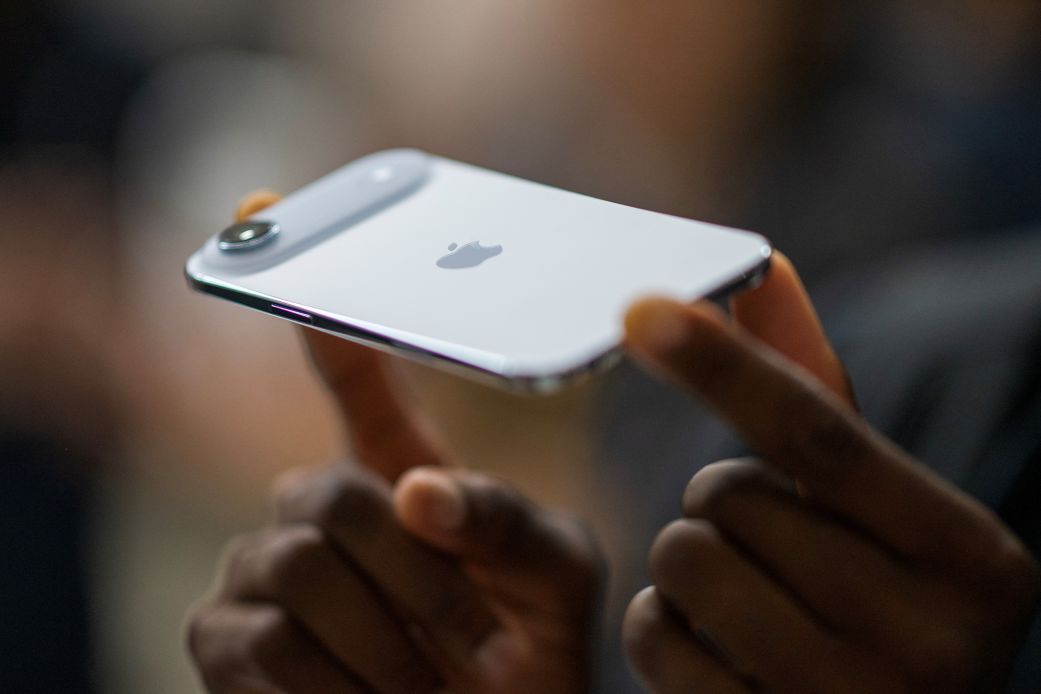
Apple’s 2025 “iPhone 17” lineup added something new: the iPhone Air — ultra-slim, lightweight, designed to impress on form. But how does it stack up vs the regular iPhone 17? Below is a detailed look.
What’s New in the 2025 iPhone 17 Lineup
Before comparing, here are the relevant upgrades in the iPhone 17 series (base model) that set the baseline. MacRumors+3Android Authority+3Apple+3
- 6.3-inch Super Retina XDR OLED display with ProMotion (120 Hz refresh rate). Always-On display also included. Apple+2Android Authority+2
- Peak outdoor brightness boosted (about 3,000 nits) for better visibility in bright sunlight. Tom’s Guide+2Android Authority+2
- Dual 48MP cameras on the rear (Ultra-Wide + Main with sensor improvements) and upgraded front camera. Tom’s Guide+2Apple+2
- New chipsets: A19 (for the regular iPhone 17) delivering improved performance, especially for AI / generative tasks and efficiency. Android Authority+1
- Storage options starting at 256 GB even for the base model. Android Authority+1
What is iPhone Air?
The iPhone Air is Apple’s new ultra-thin, design-first model in the iPhone 17 family. Think of it as “pro performance, minimal thickness & weight.” Here are its key traits. Android Authority+3Apple+3MacRumors+3
| Feature | What Apple’s Saying / What We Know |
|---|---|
| Thickness & build | At just 5.6 mm thick — thinnest iPhone ever. Uses polished Grade-5 titanium frame, with high durability. Business Insider+3The Verge+3MacRumors+3 |
| Display | 6.5-inch Super Retina XDR display, also ProMotion up to 120 Hz. Always-On feature, high outdoor brightness. Apple+1 |
| Camera | 48MP Fusion Main with 2× Telephoto, single lens system (not dual/triple like Pro models) in rear. Front camera upgraded with “Center Stage” and new features. Apple+2MacRumors+2 |
| Chipset & internals | Uses the A19 Pro chip, plus Apple’s new internal architecture & modem (C1X) to save space and improve efficiency. Apple+2Apple+2 |
| Durability | New Ceramic Shield2 front, more scratch resistance, titanium frame designed to resist bending. Apple+2MacRumors+2 |
| Battery life | Claimed “all-day battery life” — Apple says about 27 hours video playback for the Air. Though, due to its thin body, battery capacity is smaller vs Pro models. The Verge+2Android Authority+2 |
| SIM / connectivity | The iPhone Air is eSIM only, dropping the physical SIM tray globally. Also includes updated modem / wireless hardware. Business Insider+2Apple+2 |
Head-to-Head: iPhone 17 vs iPhone Air
Here’s where they differ most, and what you gain or lose depending on which you pick.
| Aspect | iPhone 17 (Base) | iPhone Air |
|---|---|---|
| Thickness / weight | Thicker, heavier due to more traditional build. Apple+2Business Insider+2 | Ultra thin (5.6 mm), lighter, premium feel. Great if portability + design matter. The Verge+2Apple+2 |
| Display | 120 Hz, high brightness etc — very good. | Same quality, slightly larger (6.5″), similarly good brightness, smoother scrolling. Apple+2Tom’s Guide+2 |
| Camera | Dual 48 MP rear (main + ultrawide etc). More flexible camera options (wide, ultra-wide, etc). Android Authority+1 | Single rear lens + 2× telephoto in the rear system. Less flexible compared to Pro model, but still capable. Apple+1 |
| Performance | Uses A19 chip; strong performance and features for most users. Efficiency good, battery decent. Android Authority+1 | A19 Pro, similar core performance, perhaps slightly restricted under continuous heavy load due to thin design and less room for thermal management. AppleInsider+1 |
| Battery / Endurance | Probably more room inside => better battery headroom, more consistent performance under heavy use. | Battery life is “all-day” by Apple’s claim and decent for moderate use; but under heavy use (gaming, video recording, etc.), the thin build may limit sustained performance. Also Apple offers external MagSafe battery accessory. The Verge+2Apple+2 |
| SIM & connectivity | Likely has physical SIM (depending region) + eSIM; more familiar setup. | Fully eSIM-only. If you are in region where eSIM support is spotty, that’s a potential drawback. Business Insider+1 |
| Price | Lower starting price (for the base iPhone 17) than Air. Better value for people who want flagship features without ultra-slim design. Android Authority+1 | Higher price because of premium design / materials. Price starts ~US$999 for the Air with a decent storage option. Android Authority+1 |
Who Should Pick Which?
Here are recommendations, depending on what you care about.
| If you care most about … | Go for iPhone 17 | Go for iPhone Air |
|---|---|---|
| Value + all-round performance | Yes — you get many of the latest upgrades (display, camera, etc.) without paying premium just for thinness. | Only if design / thinness is more important than “extras”. |
| Portability / design | It’s good, but thicker / heavier comparatively. | Definitely — Air is for those who want stylish, light, elegant devices; fashion & feel matter. |
| Camera flexibility | Better choice if you often shoot with multiple angles, want stronger zoom / ultrawide / video features. | Good enough for casual / everyday shots, selfies etc., but less flexibility. |
| Battery stamina & sustained usage | More likely to last longer in heavy tasks (gaming, video recording) due to better thermal room and battery capacity. | Should be fine for regular use; but under sustained heavy usage, might heat up or drop performance. |
| SIM / network compatibility | Safer choice in regions where SIM cards or physical tray are still widely used or eSIM support is limited. | Might run into limitations in some markets until eSIM becomes ubiquitous. |
Trade-Offs & Considerations
- Thermal limits & throttling: Ultra-thin phones often sacrifice cooling. The Air may struggle under prolonged heavy load compared to models with more interior space for cooling. AppleInsider+1
- Battery size vs life: Even though claimed battery life is good, a thinner device means less room for a big battery. Apple’s estimates are helpful but real-world usage may differ. If you use high brightness, 120Hz always on, video etc., expect higher drain.
- Durability: Titanium + Ceramic Shield2 help, but ultra-slim phones are potentially more fragile in drops / bending unless built extremely well. According to Apple, the Air is more durable than previous models. Apple+1
- Price premium: You pay extra for the design, materials, slimness more than for groundbreaking new features (in some aspects). For many users, base iPhone 17 might already suffice.
- Future resale & support: Apple support is good; but premium models sometimes have trickier resale if battery degrades or if parts (cases, etc.) are more specialized.
Verdict
If I were choosing:
- If I want a phone that balances price + performance + modern features (battery, camera, smooth display), I’d go with iPhone 17.
- If style, slim profile, light weight, and design feel are really important — for example, you often carry it in small pockets, or want a more premium “look/feel” — then iPhone Air is a compelling choice.
Local Considerations for India / Similar Markets
- Pricing + import/import duties: The $999 base for Air may translate to a significantly higher local price (taxes, duties). The iPhone 17 base model could offer more bang for buck.
- eSIM support: Make sure your carrier supports eSIM well. If not, having a physical SIM option (as in iPhone 17) is useful.
- After-sales service + spare parts: Slim phones often have more fragile parts; replacement might cost more.
- Preference for battery stamina, durability: Many users in India tend to use phone intensively (full brightness, outdoor, video, etc). That will favor iPhone 17 or even the Pro versions over Air, if battery endurance is crucial.
Conclusion
Apple with the iPhone Air shows where phone designs are heading: thinner, lighter, premium materials. But every jump forward comes with trade-offs. For many, the iPhone 17 base model is the more practical, cost-efficient choice; Air is the pick if design & portability are higher priorities than “does everything at highest capacity”.
If you like, I can prepare a version of this blog with Indian pricing, comparisons with Samsung / OnePlus etc., or a shorter “quick-compare” for social media. Do you want that?