
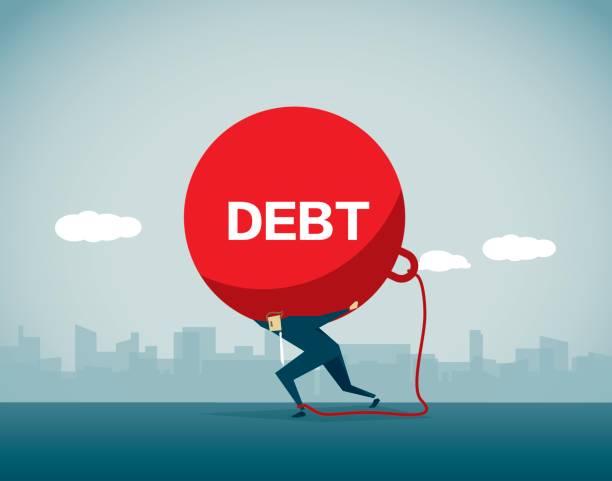
Imagine waking up tomorrow and realizing that every rupee you earn for the next five years isn’t really yours. Your salary? Already promised. Your bonus? Already spent. That’s the silent power of debt — a weight carried by billions of people worldwide, often without realizing how deep it runs.
Introduction: Why Talk About Debt?
Debt isn’t just a financial term; it’s a lifestyle, a habit, and sometimes, a silent prison. While investment is glorified as the path to freedom, debt is its darker twin — shaping lives, breaking families, and silently controlling economies.
This blog will uncover:
- What debt really is (beyond the textbook definition).
- The psychology that keeps people trapped.
- Data and statistics showing the scale of the debt crisis.
- Real-life examples of debt’s impact.
- Actionable tips to manage and escape debt.
- And finally, a raw author’s note on why this matters more than ever.
The Reality in Numbers
- In 2024, global debt hit $315 trillion, almost three times the size of the world’s economy.
- The average American household debt is $58,000, excluding mortgages.
- In India, household debt reached ₹83 trillion, with personal loans and credit card EMIs surging.
- Credit card interest rates average 30–36% annually in India — meaning ₹50,000 unpaid today can quietly grow to over ₹1,00,000 in just two years.
Debt in Real Life: Stories We Don’t Forget
- Ronald Read: The janitor who died with $8M wealth (because he invested, not borrowed).
- My friend with a ₹1.5 lakh salary: Always broke due to credit card EMIs. His money belonged to banks before it ever belonged to him.
- Governments themselves: The U.S. national debt is over $34 trillion, showing that even nations run on borrowed time.
The Psychology Behind Debt
Why do so many fall into the trap?
- Instant Gratification Bias: Today’s joy feels bigger than tomorrow’s pain.
- Normalization: “Everyone has EMIs” becomes a dangerous excuse.
- Compounding in Reverse: While investment grows wealth, debt compounds poverty.
Good Debt vs Bad Debt
- ✅ Good Debt (helps you grow): Home loans, education loans, business loans.
- ❌ Bad Debt (shrinks you): Credit cards, personal loans for luxuries, EMIs for gadgets or vacations.
The golden question: Does this debt create future income or future regret?
Summary: Debt in One Sentence
Debt is borrowed time, sold at the cost of your future freedom.
Tips: How to Break Free from Debt
- List all debts with amounts + interest rates.
- Use Avalanche or Snowball Method:
- Avalanche = clear highest interest first.
- Snowball = clear smallest first (psychological win).
- Automate repayments — remove decision fatigue.
- Cut unnecessary credit lines — stop the bleeding.
- Invest while paying off — otherwise you’ll be debt-free but broke.
Conclusion
Debt is not just money owed; it’s peace, time, and freedom mortgaged. The earlier you confront it, the lighter your future becomes. If investment plants the seeds of freedom, debt is the weed that strangles it. Choose wisely which grows in your life.
Author’s Note
I’ve seen people with modest incomes live stress-free because they avoided debt, and high earners trapped in golden cages because they chased lifestyles on borrowed money. If there’s one lesson you carry from this blog, let it be this: Debt is not your friend. Use it wisely — or not at all.