
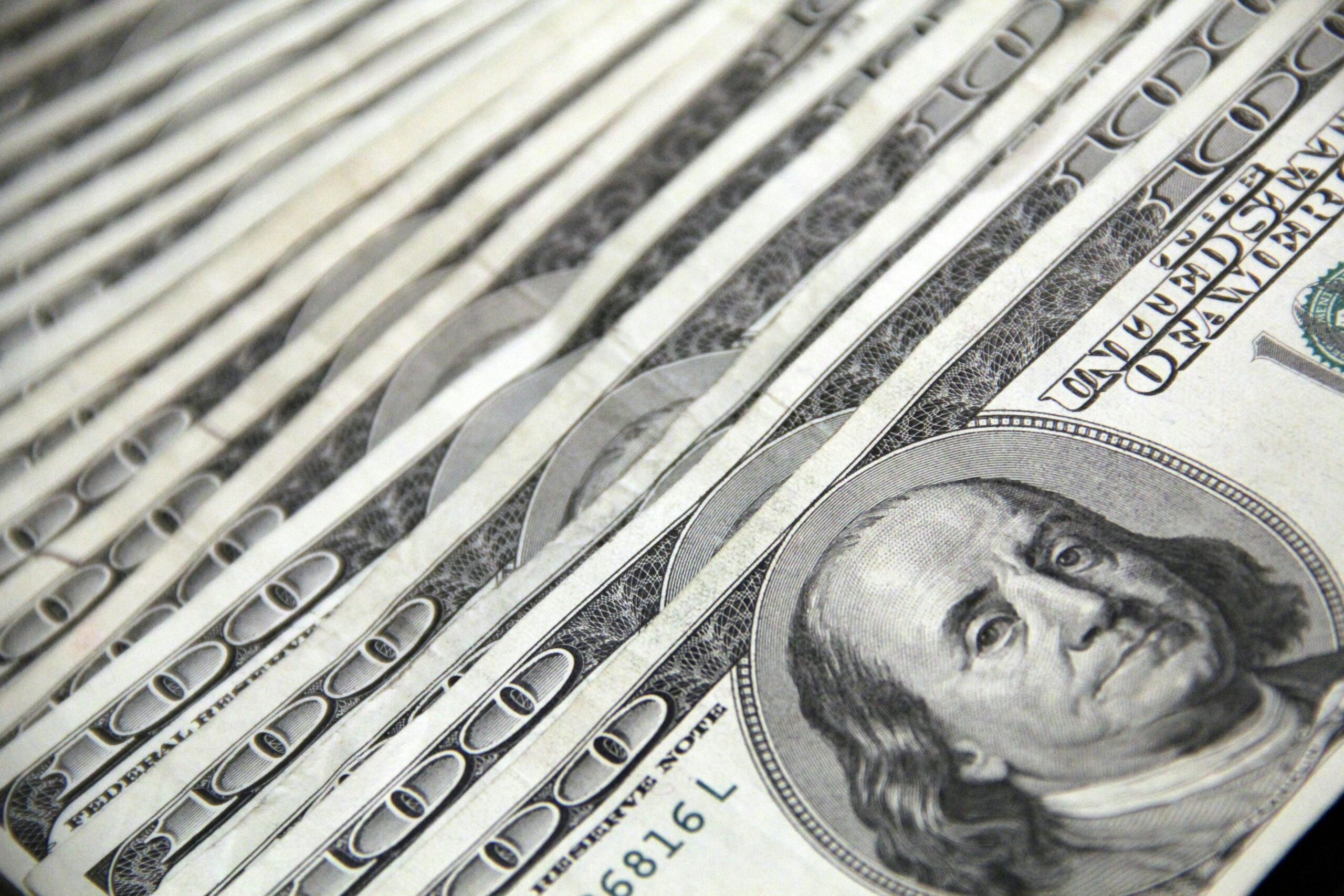
“Inflation is taxation without legislation.” – Milton Friedman.
That quote has never felt more relevant than it does today. As we step into September 2025, all eyes are on the August inflation report, set against a backdrop of rising tariffs and political debates. With the Consumer Price Index (CPI) projected to increase 2.9% year-over-year, the big question for households, businesses, and investors alike is simple: why do prices still feel so high, and what role are tariffs playing in this persistence?
In this article, we’ll break down:
- What the August inflation data really says.
- How tariffs — especially on imported goods — are silently shaping your grocery bill and Amazon cart.
- The ripple effects on wages, savings, and investments.
- Practical steps you can take to protect your wallet in this environment.
What Exactly Did the August CPI Report Reveal?
If you’ve been feeling like your paycheck doesn’t stretch as far as it did even last summer, you’re not imagining it. The CPI (Consumer Price Index) is the government’s way of tracking what the “average basket of goods” costs us.
Here’s what the August 2025 CPI report is pointing to:
- Headline Inflation: +2.9% year-over-year (slightly higher than expected).
- Core Inflation (excluding food & energy): +3.1%.
- Sticky Categories: Groceries, rent, and imported electronics are showing the sharpest jumps.
- Relief Spots: Energy prices and used cars dipped a bit, offering some breathing room.
Now, 2.9% doesn’t sound catastrophic when compared to the 7–9% peaks of 2022. But here’s the catch: persistent inflation is like a slow leak in your wallet. It doesn’t knock you down in one blow — it drains you month after month until you suddenly realize you’re saving less, investing less, and worrying more.
The Tariff Effect: Why Trade Wars Hit Your Wallet
Remember when your parents used to say, “Nothing is free — someone always pays for it”? That’s exactly how tariffs work.
Tariffs are essentially taxes on imports. While they’re framed as “punishing foreign producers,” the truth is that the extra cost almost always gets passed down to — you guessed it — the consumer.
Here’s how tariffs are showing up in the August data:
- Electronics & Tech: That laptop you’ve been eyeing? Prices are up 6–8% compared to last year, largely because components sourced from China face higher duties.
- Everyday Goods: Household appliances, clothing, and even toys are inching higher. Tariffs make imports pricier, and U.S. producers often raise their prices too (since they no longer face as much competition).
- Groceries: While tariffs aren’t the sole culprit, agricultural goods and supply chain disruptions are blending into higher food costs.
One economist compared tariffs to a “hidden sales tax on everything in your shopping cart.” The numbers back it up: studies show that nearly 90% of tariff costs end up shouldered by consumers, not companies.
Why This Matters Beyond Just Prices
Inflation and tariffs aren’t abstract policies. They touch every corner of your life — from your rent check to your retirement plan. Let’s break it down in real terms:
1. Your Paycheck Feels Smaller
Even if your salary grew 3% this year, inflation at nearly 3% cancels it out. Real wages stay flat. It’s like running on a treadmill — working harder but staying in place.
2. Your Savings Lose Power
A $10,000 emergency fund sitting in a low-yield account loses about $290 in purchasing power over the year under 2.9% inflation. That’s essentially money evaporating.
3. Your Investments Get Shaky
Markets hate uncertainty. Tariffs add uncertainty to corporate earnings (especially tech, retail, and manufacturing). Inflation affects Fed policy, which in turn affects everything from your 401(k) to your mortgage rate.
Historical Perspective: Inflation and Tariffs Aren’t New
History loves to repeat itself, even in economics.
- 1970s Stagflation: Tariffs and oil shocks created price spirals and wage stagnation. The lesson? Inflation can linger far longer than policymakers expect.
- 2018–2019 U.S.–China Trade War: Tariffs raised import costs, hurt farmers, and inflated prices on consumer goods. Many businesses reported thinner margins as they couldn’t pass on all the costs to customers.
As Mark Twain said, “History doesn’t repeat itself, but it does rhyme.” Today’s situation — tariffs + sticky inflation — echoes those chapters of economic history, even if the scale differs.
Practical Steps: How to Protect Yourself in This Environment
Inflation and tariffs may feel like forces outside your control. But here’s what you can control:
💡 1. Reframe Your Savings
- Park cash in high-yield savings accounts (HYSAs) to at least keep pace with inflation.
- Consider short-term Treasury bills — they’re safer and currently yield higher than most bank accounts.
💡 2. Adjust Your Investments
- Diversify into broad index funds rather than betting everything on tariff-exposed industries.
- Look at sectors historically resilient during inflation (healthcare, consumer staples, utilities).
💡 3. Cut the “Tariff Tax” from Your Budget
- Buy local when possible to avoid imported markups.
- Delay non-essential tech upgrades (your 2-year-old iPhone probably works fine).
💡 4. Revisit Your Career Strategy
- Inflation makes wage negotiations more critical. Don’t be afraid to ask for cost-of-living adjustments.
- Skills in tech, AI, and trade-resilient industries are worth investing in right now.
💡 5. Stay Educated & Nimble
- Follow CPI updates monthly.
- Stay tuned to Fed decisions and tariff announcements — they directly hit your household.
The Bottom Line
The August 2025 inflation data tells us one thing: the fight isn’t over. At 2.9% year-over-year, we’re no longer in the emergency phase of 2022, but we’re also not in the comfort zone of 1–2%. And tariffs? They’re like salt in the wound — ensuring certain prices stay stubbornly high.
For households, this means vigilance: optimizing savings, rethinking investments, and cutting unnecessary spending. For policymakers, it’s a reminder that economic decisions ripple far beyond politics — they land in the checkout line of every grocery store in America.
Or as Warren Buffett once put it: “Do not save what is left after spending, but spend what is left after saving.” In an age of tariffs and persistent inflation, that wisdom feels like the surest strategy to stay ahead.
👉 Question for you, the reader: Do you feel tariffs in your everyday spending — or does inflation feel more about rent and groceries? Drop your take in the comments.