
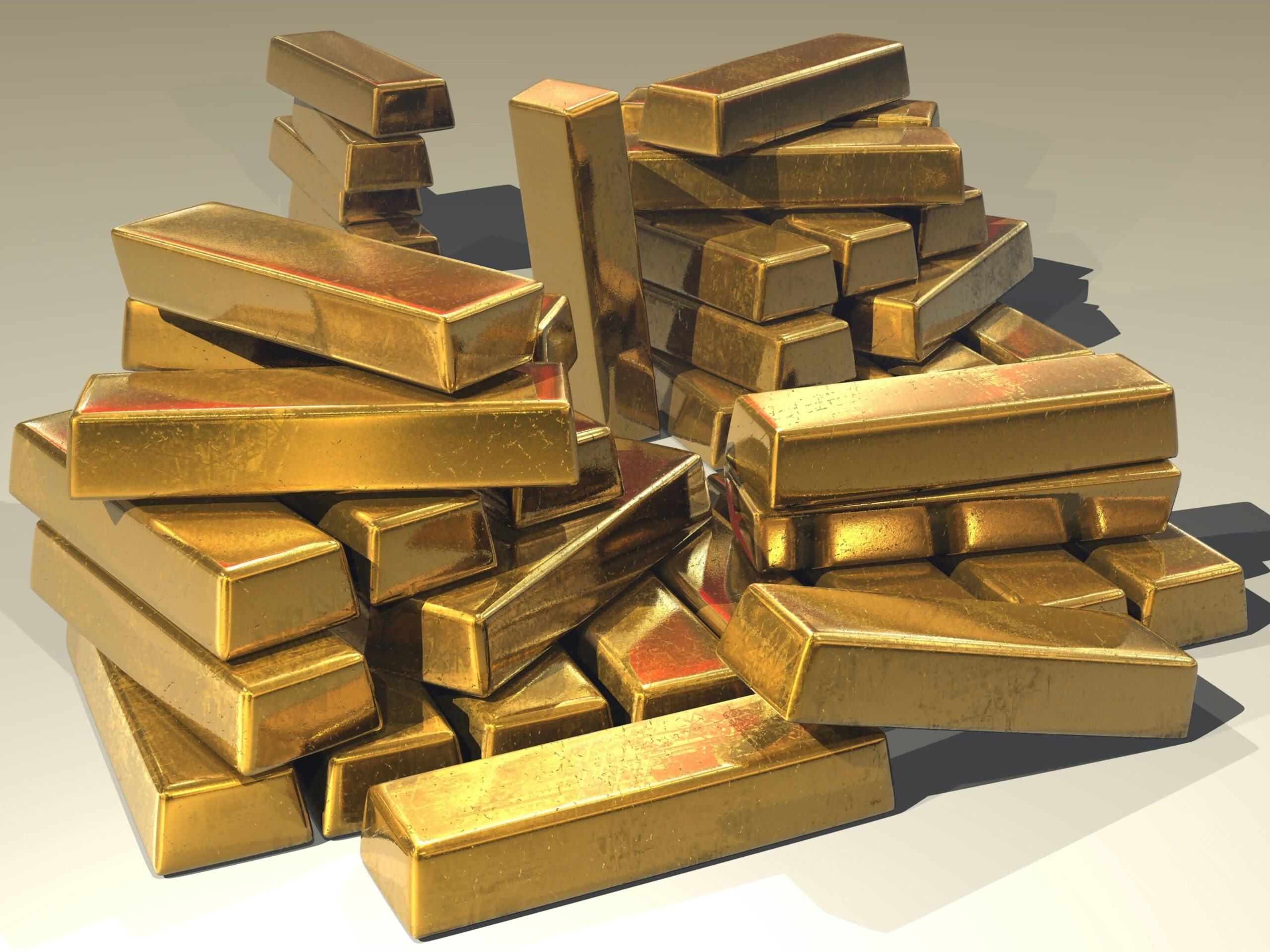
“Gold is money. Everything else is credit.” – J.P. Morgan
Gold has always carried an aura. From ancient kings storing treasures in palaces to central banks filling vaults, the metal has been the ultimate symbol of wealth, safety, and power. Fast forward to 2025, and gold is once again proving its timelessness — this year it has smashed through $3,500 per ounce, soaring more than 30% year-to-date.
It’s not just a chart on a Bloomberg terminal; it’s a reflection of our uncertain times. A weaker dollar, Federal Reserve rate cuts, and constant geopolitical tensions have all converged to fuel this record run.
But here’s the bigger question: Should you jump in at these levels, hold tight if you already own gold, or look toward alternative investments?
Let’s break it down — not in theory, but in real terms, using stories, lessons, and practical strategies.
Why Gold is Breaking Records in 2025
To understand today’s rally, let’s step back and look at the drivers:
- Weak Dollar – The U.S. dollar has slipped as the Fed signals more aggressive rate cuts. A weaker dollar makes gold cheaper for international buyers, pushing up demand.
- Inflation Hedge – Tariffs and sticky prices have kept inflation alive in the system. Investors are running to gold as a time-tested inflation shield.
- Geopolitical Tensions – From elections in major economies to ongoing wars and trade disputes, global uncertainty boosts gold’s “safe haven” appeal.
- Central Bank Buying – Countries like China, India, and Russia have accelerated gold purchases to reduce reliance on the dollar. When central banks are hoarding, retail investors usually follow.
Gold isn’t just glittering on jewelry shelves — it’s being hoarded in vaults, ETFs, and balance sheets across the world.
A Real-Life Example: The Farmer vs. The Investor
Imagine two people back in January 2025:
- A farmer in Rajasthan struggling with rising input costs because fertilizers and diesel became pricier due to inflation. He doesn’t own gold — he keeps savings in cash. By mid-year, that cash lost 7% in value thanks to price increases.
- Meanwhile, an IT professional in New York decided to allocate 20% of his portfolio to gold ETFs at the start of the year. By September, his gold holdings are up over 30%.
The difference? The farmer’s wealth silently eroded. The investor’s grew. Gold didn’t just shine; it protected.
But is Gold Always Golden?
Here’s the catch: Gold isn’t perfect.
- No Yield – Unlike stocks that pay dividends or bonds that generate interest, gold just sits there. Its value is based purely on perception and demand.
- Volatility – Yes, gold is a safe haven, but it’s not immune to swings. In past rallies, corrections of 10–20% weren’t uncommon.
- Opportunity Cost – If AI-driven tech stocks or sustainable investing projects deliver 50% gains, parking too much in gold may feel like missed growth.
Remember: Just because it’s hitting records doesn’t mean it can’t pull back. Investors who bought gold at peaks in 2011 waited almost a decade to see similar highs again.
Alternative Investments to Consider Alongside Gold
If you’re worried about being too gold-heavy, the good news is — alternatives exist.
1. Silver and Platinum
- Silver often lags gold but catches up quickly. It’s industrial demand (solar panels, electronics) adds a growth kicker.
- Platinum, scarcer than gold, is used in clean energy tech. With sustainability booming, it has tailwinds.
2. Real Estate
- Inflation usually lifts real estate values.
- Real estate investment trusts (REITs) provide access without needing millions upfront.
3. Commodities & Energy
- Copper, lithium, and oil have direct ties to global growth.
- Lithium, for example, is critical for EVs — a future-proof hedge.
4. Alternative Finance
- Platforms using embedded finance and fintech AI are creating opportunities outside traditional markets.
- These aren’t tangible like gold, but their returns can be far more lucrative if chosen wisely.
5. Sustainable Investing
- ESG and renewable projects offer not just returns, but purpose.
- Diversifying into sustainable funds can offset the “static” nature of gold.
Portfolio Strategy: How Much Gold is Too Much?
Financial advisors often recommend 5–15% of your portfolio in gold or precious metals. At current highs, it may be tempting to go beyond that, but discipline matters.
Think of it like this: Gold is your insurance policy. You don’t buy fire insurance expecting your house to burn down — you buy it for peace of mind. Similarly, gold isn’t meant to make you rich overnight. It’s meant to protect when everything else burns.
Historical Perspective: Gold in Crises
- 1970s Oil Shock – Gold surged over 500% in a decade.
- 2008 Financial Crisis – Investors fled to gold, pushing it above $1,000 for the first time.
- 2020 Pandemic – Gold soared as lockdowns froze economies.
2025 fits this pattern: uncertainty plus liquidity equals gold rush. But remember, after each spike, gold cooled — reminding us it’s cyclical, not unstoppable.
Quotes That Still Resonate
- “Gold is the money of kings, silver is the money of gentlemen, barter is the money of peasants, but debt is the money of slaves.” – Norm Franz
- “In the short run, the market is a voting machine. In the long run, it is a weighing machine.” – Benjamin Graham
These aren’t just intellectual flourishes. They’re reminders that while gold glitters in headlines, fundamentals and patience matter more.
The Bottom Line
Gold’s 2025 rally past $3,500 per ounce is historic. It validates gold’s role as an inflation hedge and a safe haven when uncertainty dominates. But the smartest investors know not to get blinded by its shine.
Yes, own gold — but balance it. Mix in silver, sustainable investments, and quality equities. Protect yourself from inflation, but don’t abandon growth.
As the saying goes: “Don’t put all your eggs in one golden basket.”
The question is, when markets look back at 2025, will we remember it as the year of the gold rush — or the year that taught us the importance of diversification?
👉 What’s your move? Are you adding more gold, holding tight, or looking at alternatives like silver and sustainable funds?